In the crisp evening twilight of a central Pennsylvania summer, moths attack the yellow tinted parking lot lights of a multimake car dealership. Loud thunks echo off the cracked and weathered cover filtering the amberish glow. Illuminating a MK4 Volkswagen Golf dressed in Indigo Blue Pearl.


“I wish it had a tan interior” my mother quipped. A common critique of an automaker’s interior choices that she echoes till this day. This was one of my favorite pastimes as a young, pre-drivers license teenager. Going to the local ice cream stand or mom ‘n pop diner-esque restaurant, then stopping by the local mega dealer to check out the latest cars. Growing up in a more rural area the description of “mega” would be a stretch, but at Fairfield (for fair deals), they did have VWs, Fords, BMWs. Um… maybe Lexus?
Point is, they had a few makes and models, ok? It’s been almost three decades and four bouts of COVID. My memory is… present at best.
But a 1999 VW Golf a Grand Tourer is not. The world’s most authoritative information source, Wikipedia, defines a Ground Touring car as, “designed for high speed, long-distance driving with luxury specifications. The most common format is a front-engine, rear-wheel-drive two-door coupé with either a two-seat or a 2+2 arrangement. Grand tourers are often the coupé derivative of luxury saloons or sedans.”
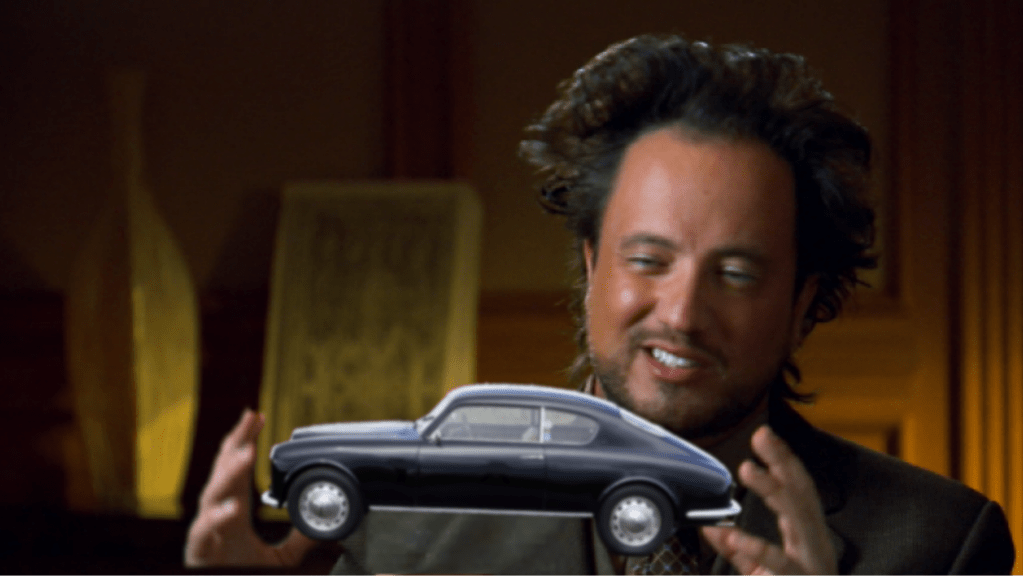
Purists would contend that the concept of the Grand Tourer was born from post-war, 1950’s Europe. BUT! Ancient Alien Theorists say no. The idea of a large, but sporty coupe that goes vroom and is still comfy on a long journey has existed since the early 1900s. And the addition of a GT badge doesn’t necessarily mean a car is a Grand Tourer. Its just “sporty” or “sportier” than the base.
In short, it gets a bit confusing. For the purpose of this article we are going to look at larger vehicles with a sport flavor that is a coupe (possibly a variation of a sedan) and is both comfortable and fast on longer trips.
In Europe there are countless examples. The first generally considered to be the 1951 Lancia Aurelia B20 GT. A slab sided 2-door take on the sedan of the same name. Fastback styling with a long front-hood, the car looks both elegant and sporty. It’s tall grill peaking ever so slightly into the low chrome bumper. The fastback framed by two subtle wings rounding out the hips.
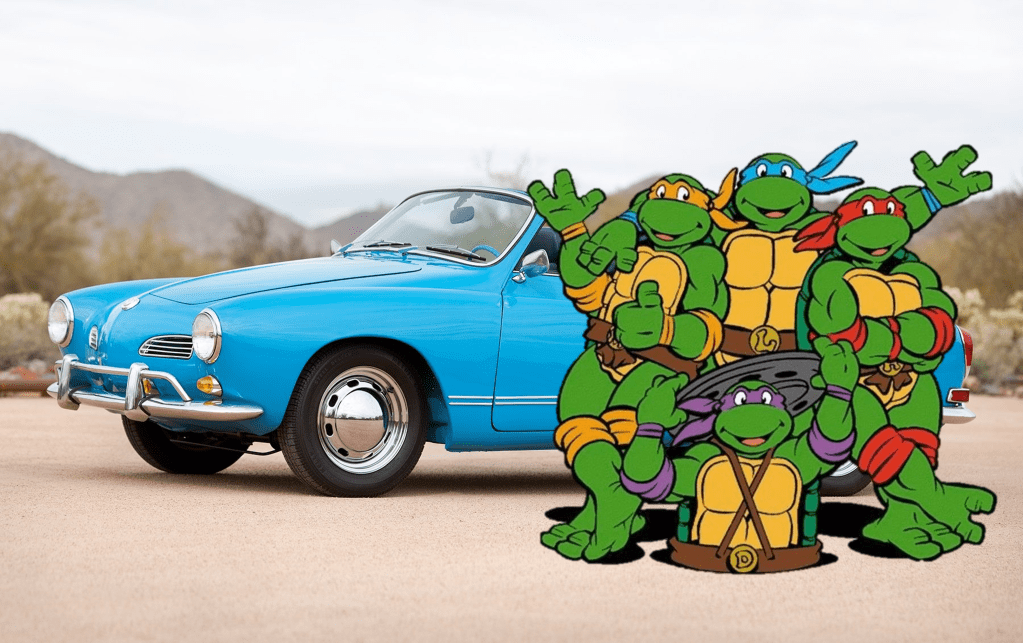
Its no surprise that an Italian company would produce a striking sports car that is equally comfortable in both a dealership or an art gallery. Designed by Ghia, an Italian design house that is akin to the Michelangelo, Leonardo, or Raphael of automotive design. These Teenage Mutant Turtles of the time are responsible for some of the most stunning vehicles ever produced.
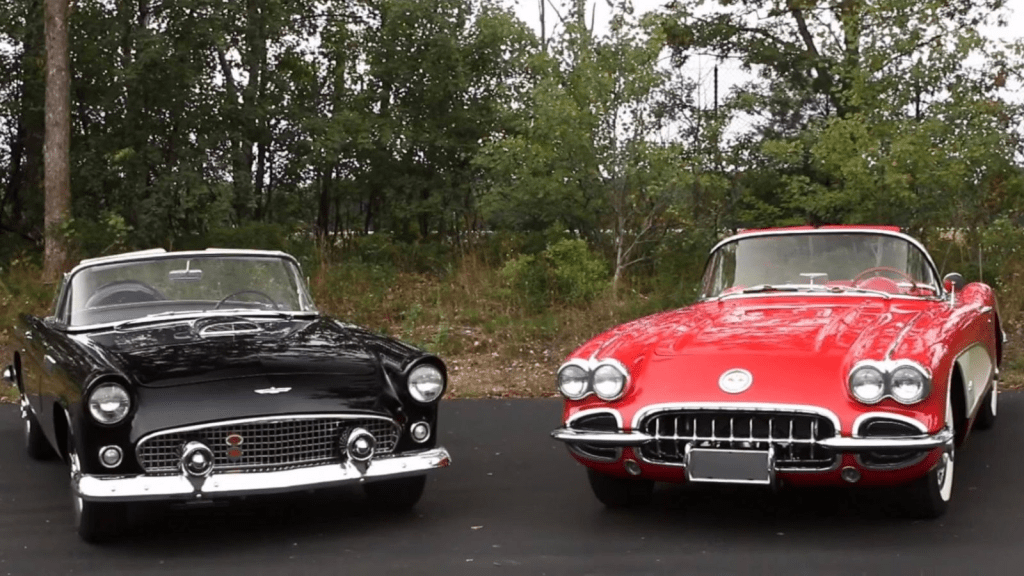
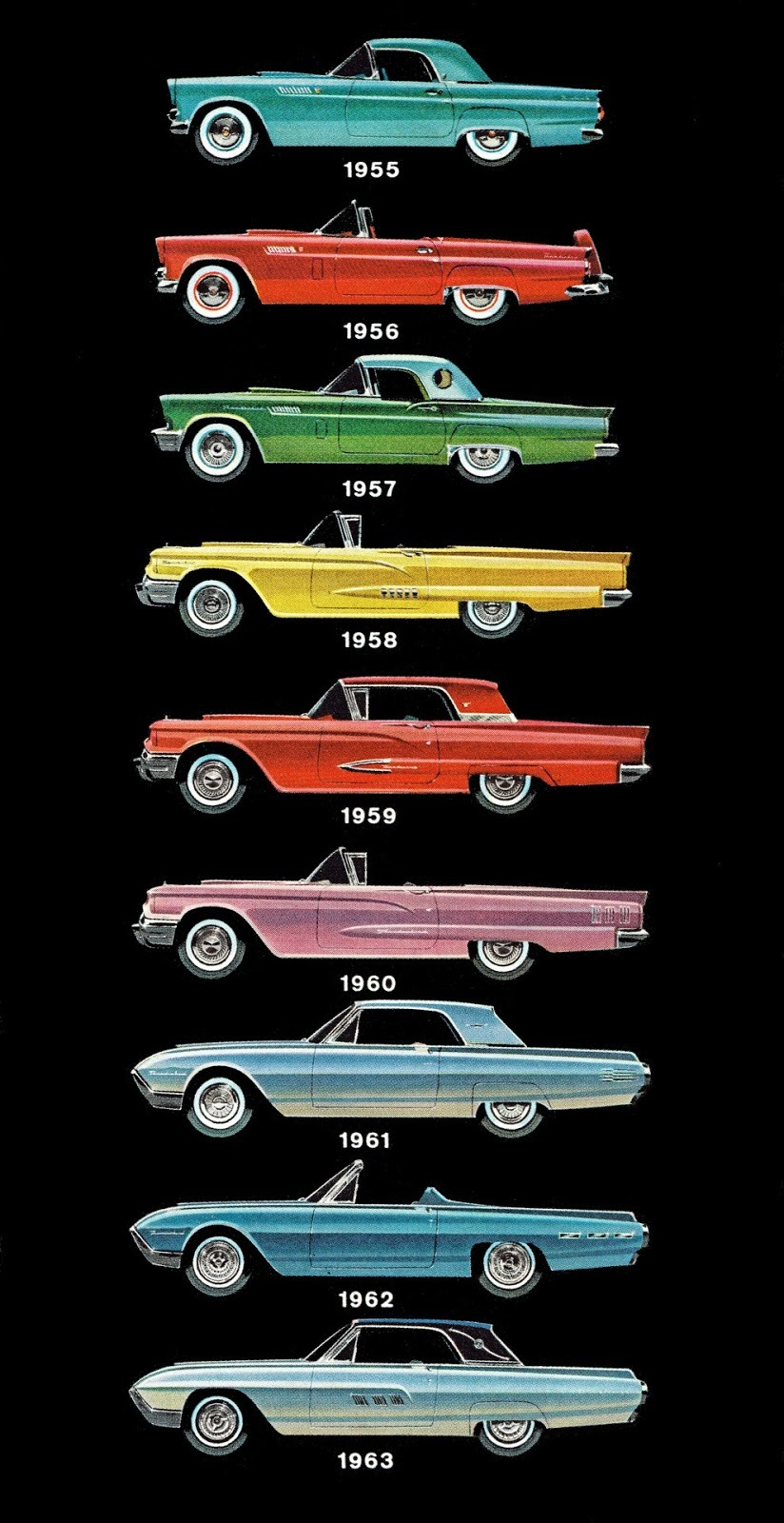
But what about across the pond? A post war American was preoccupied with bigger cars and bigger engines. The closest we had to a Grand Tourer in the early 1950s might have been the Chevrolet Corvette. But the Vette wasn’t exactly large or comfortable. More an emulation of European roadsters, the Corvette was all about weekend fun. Ford’s answer to the Corvette came two years later, in 1955. The Thunderbird. Similarly sized and styled, the Thunderbird was intentionally marketed not as a sports car or coupe, but as a personal luxury vehicle.
If you are thinking this might be a new segment, you’d be correct. And Chevrolet? They didn’t quite want the Corvette to be highlighted as such. It began and remained a sports car till this day. Many would argue that Ford’s classification was the first proverbial nail in the coffin given you can still buy a new Corvette while the Thunderbird went the way of the dodo two decades ago.
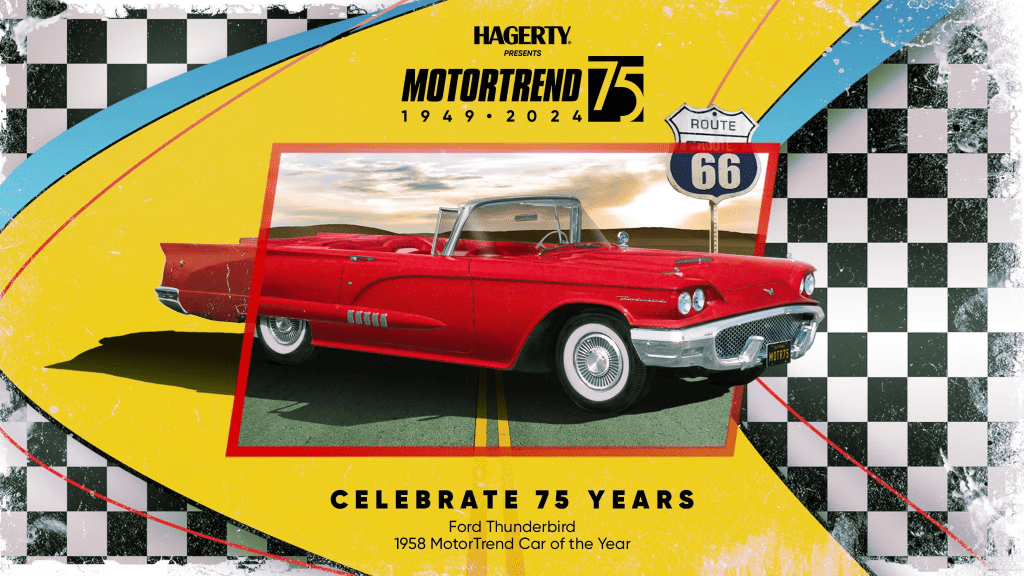
Now the Thunderbird has had quite the history with plenty of peaks and valleys. After the first-generation Ford beefed up the bird, stretching the wheelbase and adding a backseat. This pumped-up pigeon was the first car MODEL to win MotorTrend’s Car of the Year. All previous “winners” were actually awarded to entire companies.
The Thunderbird wasn’t just a one hit wonder. It managed to win three more times (a total of four for the less math incline) before it was discontinued. Even with a truncated timeline, that still bests the Corvette by one. So why such a heavy focus on the Thunderbird? Well, because it’s maturation could be considered the closest, but not the only, American Grand Tourer.
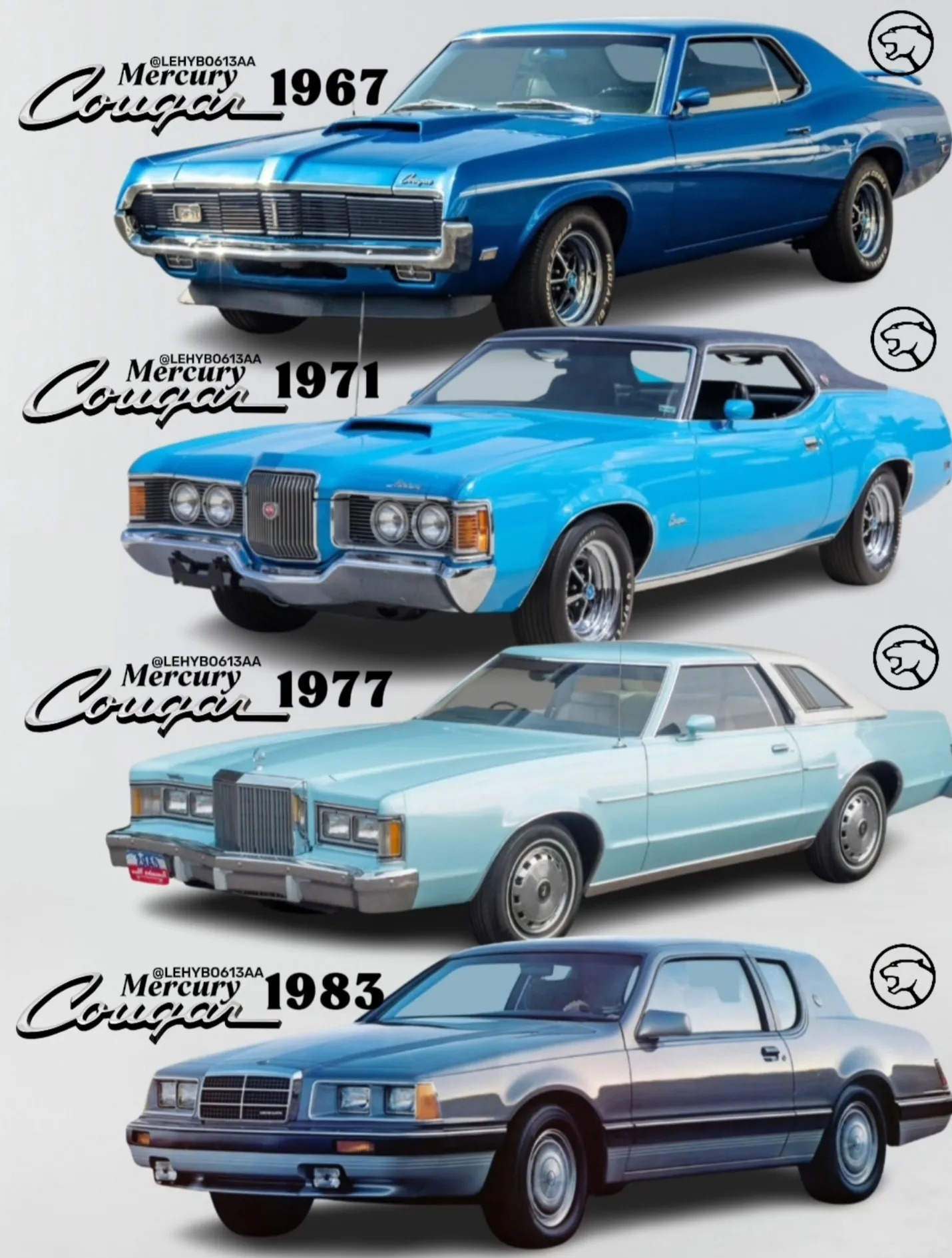
Before badge engineering was wrought by the malaise era of the mid 1970s, Ford did share its platforms across divisions. Ford had the Mustang, Mercury had the Cougar. But as time pressed on, the mercs’ at Mercury wanted in on the personal luxury car game. The Cougar got caught in the bloated bout of the 1970s and stole some of the Thunderbirds… well… thunder.
By the time the 1980s rolled around the mighty T-Bird, now underpowered and overweight — like Orson Welles shucking champagne — had more cousins than one. The Lincoln Mark VII entered the fray. A trio of long, boxy boys sporting an engine up front and the drive out back. And if you count the four door variants, that platform the family grows to six.
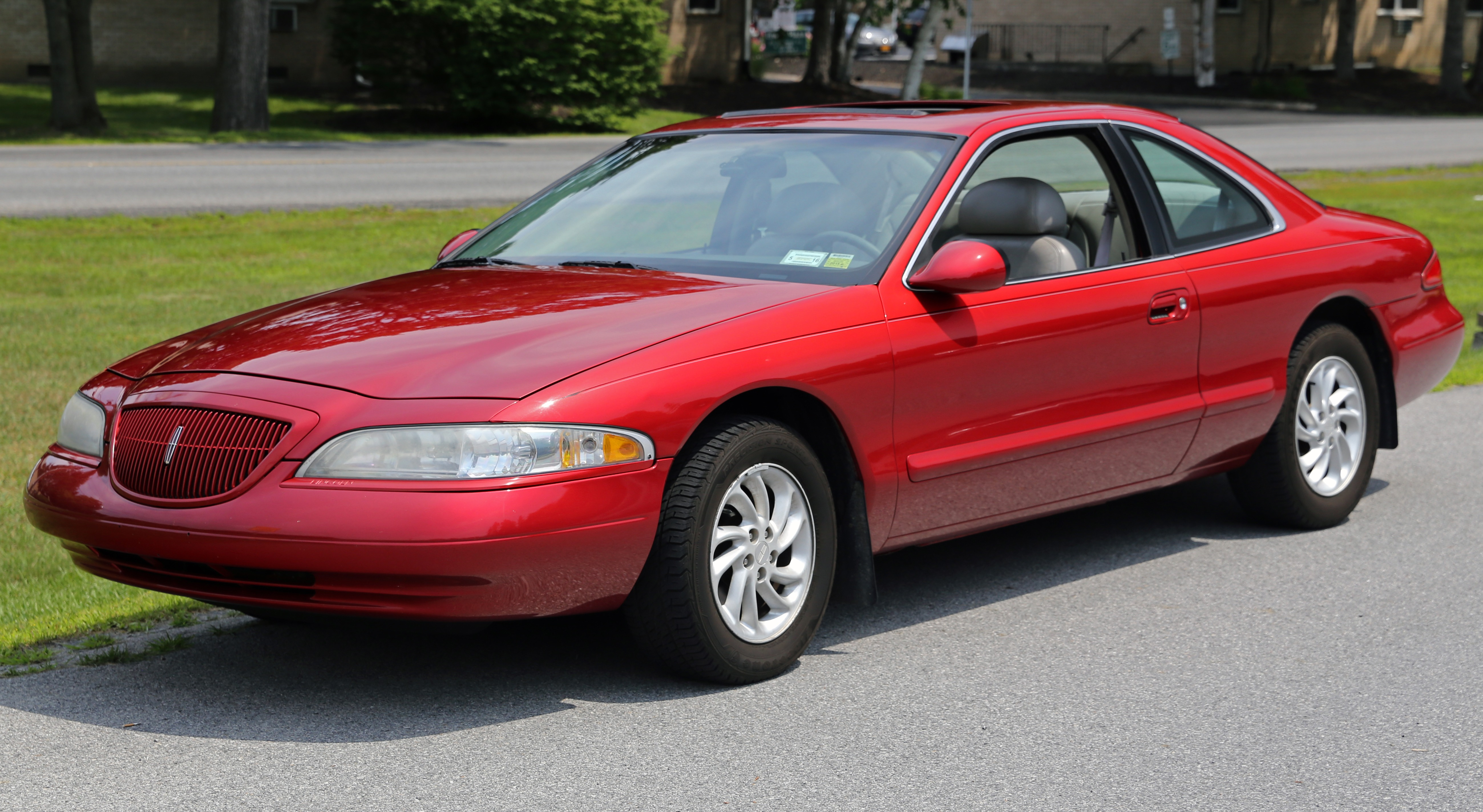
That is until 1997.
Ford axed their tiresome trio of three-ton terror. Yes, the Cougar would return in 1999 for a three-year run as a front wheel drive sports coupe. And yes, in 2002 the Thunderbird would rise like a phoenix from the ashes as a retro futuristic roadster only to strike the same preverbal three-year wind turbine of death and Ford has been quiet ever since. Embracing the crossover trend and not giving the beloved bid another thought.
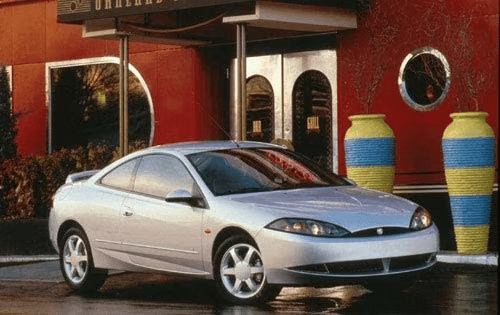
Was this the end? Did the American Ground Tourer die in 1997?
No. If it did this story would be too short.
For those of you who don’t know, Pennsylvanians love ice cream. In fact, it is home to the oldest, continuously operating ice cream company, Bassetts, since 1861. Going back further it’s also the commercial birthplace of ice cream production. In 1851 C. J. Fussell opened the first commercial creamy to offload surplus milk. There is Turkey Hill, Rutters, and even PennState (yes that PennState) with their own creameries. PSU manages to shill out 750,000 cones a year.
Why is this relevant? Well, clam up and I’ll tell you! We love ice cream, alright? Like, it is in our blood… along with the diabetes. That means you don’t have just one ice cream stand you visit. You have many. If you want to make it extra special, you hike a little further to get that sugar and milk goodness. My family was known for driving up to an hour and a half round trip just to get a fix of the real good stuff. Most often served out of a repurposed barn. Because that is where the cows used to live.
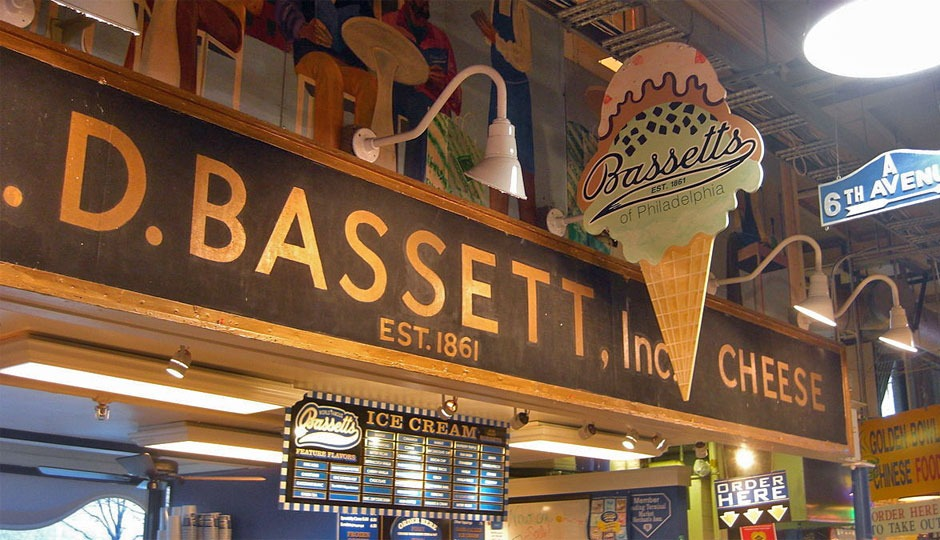
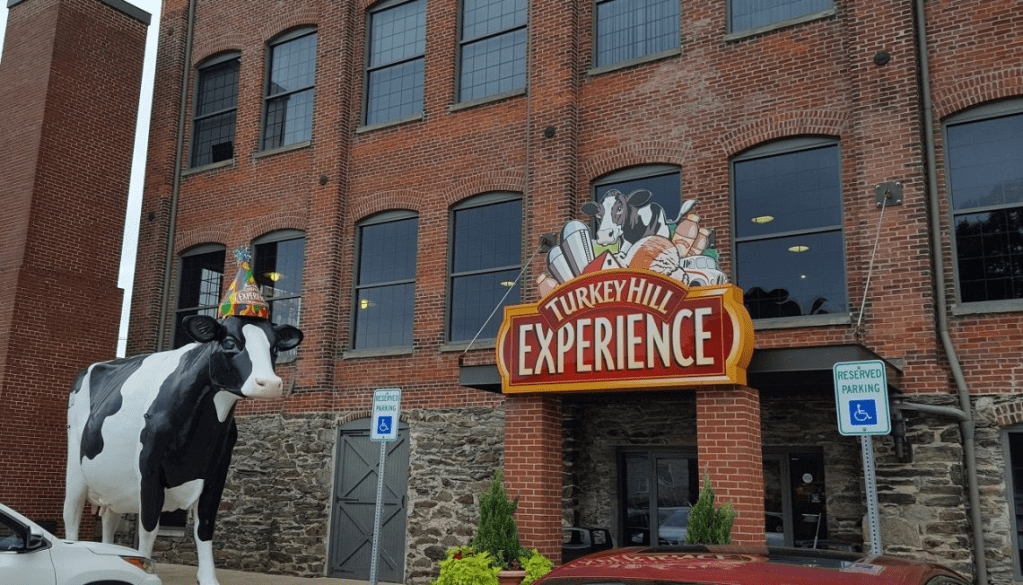
Whose house!? The cow’s house!
But if you are driving 45 minutes down and back – wait let me do math – yeah an hour and a half total, you should probably make the trip worthwhile. Antique shops, sports ball games, and of course… car dealerships. And that is where I saw it! The last GREAT American Grand Tourer.
Sure, I’ve gone into the lore that is FoMoCo and their divisions of Lincoln and Mercury, but the United States HAD plenty of other automakers. All beholden to the scourge that is badge engineering. Ford had been modest with only three divisions, and I won’t even broach the shifting shit show that is Chrysler. General Motors? In the late 1900s, they had something like seven (only counting US brands).
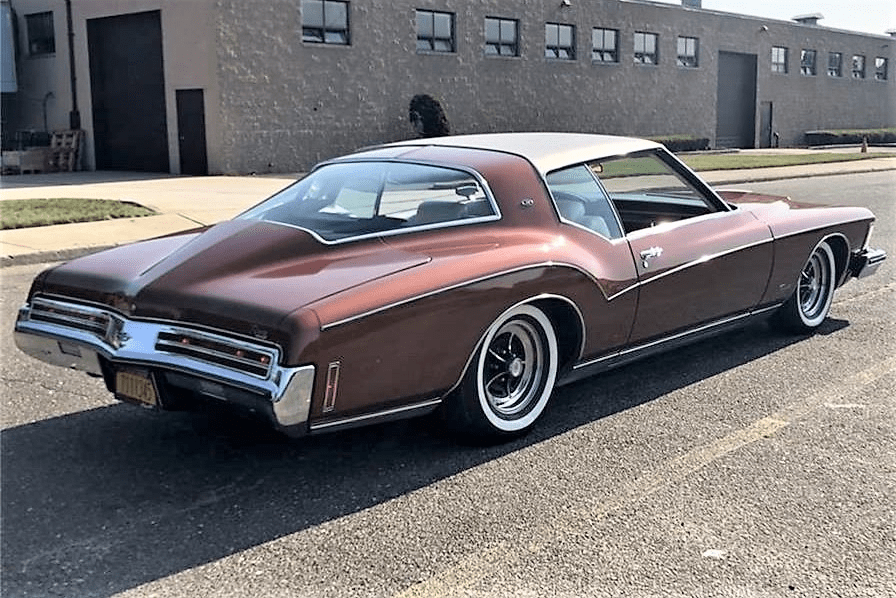
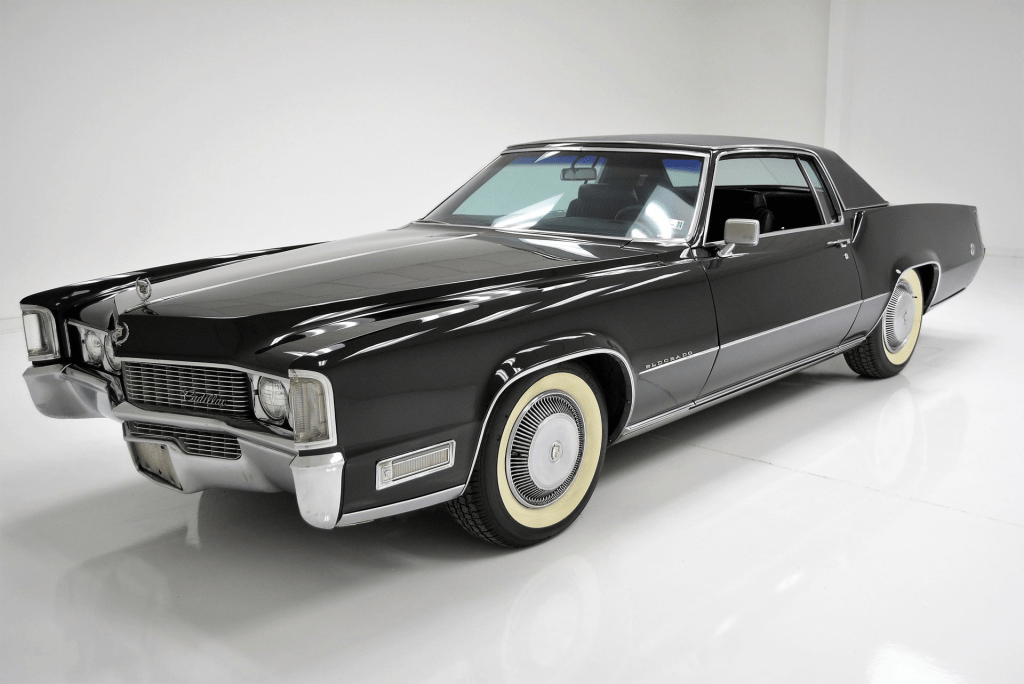
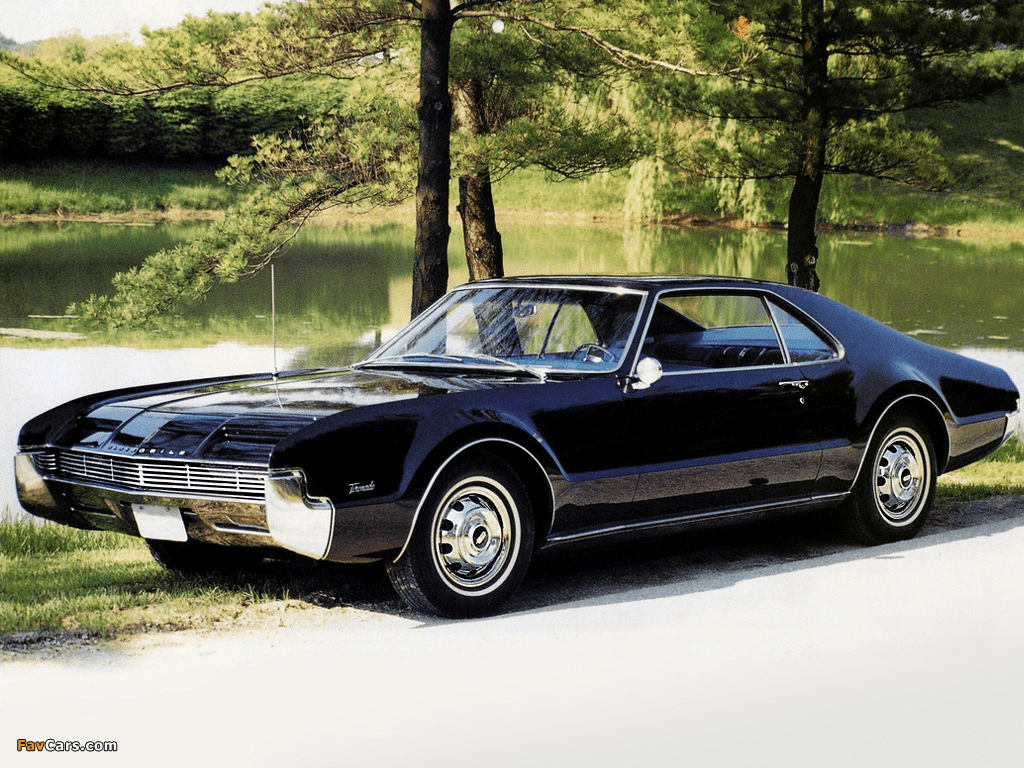
General Motors response to the personal luxury car (ala the American Grand Tourer) was a triple threat. We already know they refused to bulk up the Corvette; instead choosing to debut triplets in the early to mid 1960s on their “E-Body” platform. The Buick Riviera, Cadillac Eldorado, and Oldsmobile Toronado. Initially sporting aggressive, outside the box styling; each subsequent generation drifted further and further into the beige town of Blandsburg. Population: meh. Primary import: bleh. Primary export: meth.
By the time the sixth generation closed out all three had become veritable bricks in the wind. Like a three-point shot at a middle school basketball game, these once inspired vehicles fell easily short of the basket. Bricked… get it? Underpowered. Understyled. Underinspired… unspired… uninspired? Un-something.
BUT!
When the seventh generation debuted in 1986 the General made a significant change. The E-Body platform had endured from the 1960s to the mid-1980s. Americans sought safe, economical automobiles with a hint of style. The big three were aching to win back customers from Asian and European imports. And they had a crack plan of action.
Copy them.
More lean, packed with technology, and oddly; all front wheel drive. Sure, Japan produced rear wheel drive luxury cars, but those sold in the US were primarily pulled and not pushed (and we aren’t talking to the back of the bus). Buick, Oldsmobile, and Cadillac utilized the new G-Body platform to push…err pull out an onslaught of full sized, front wheel drive, luxury coupes. Each iteration offered bolder, perhaps oddball styling that continued into the eighth and final generation.
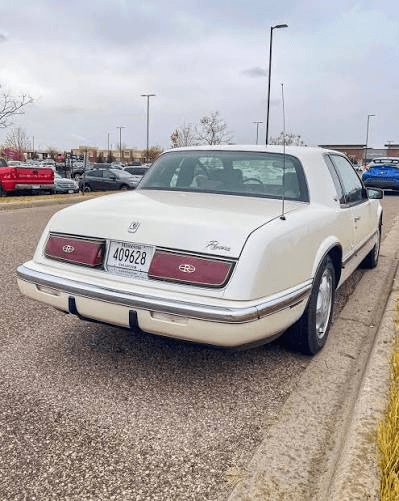
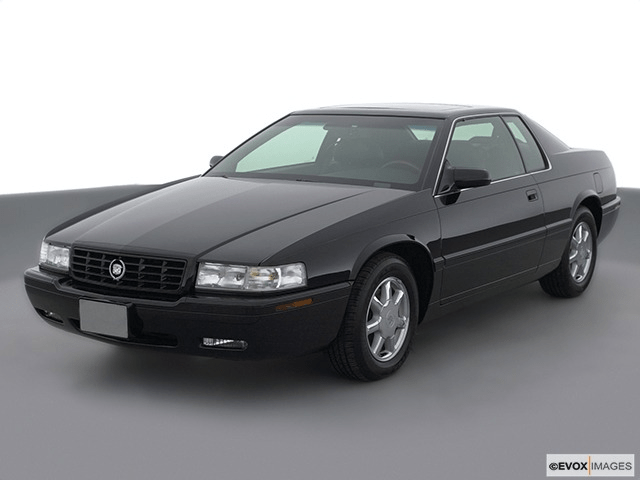
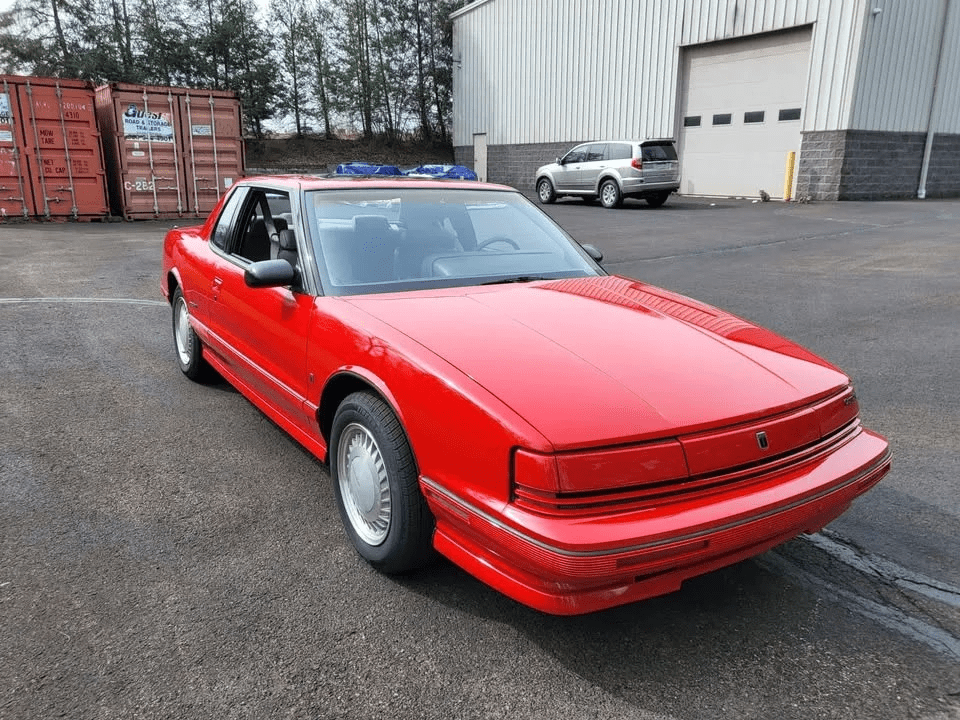
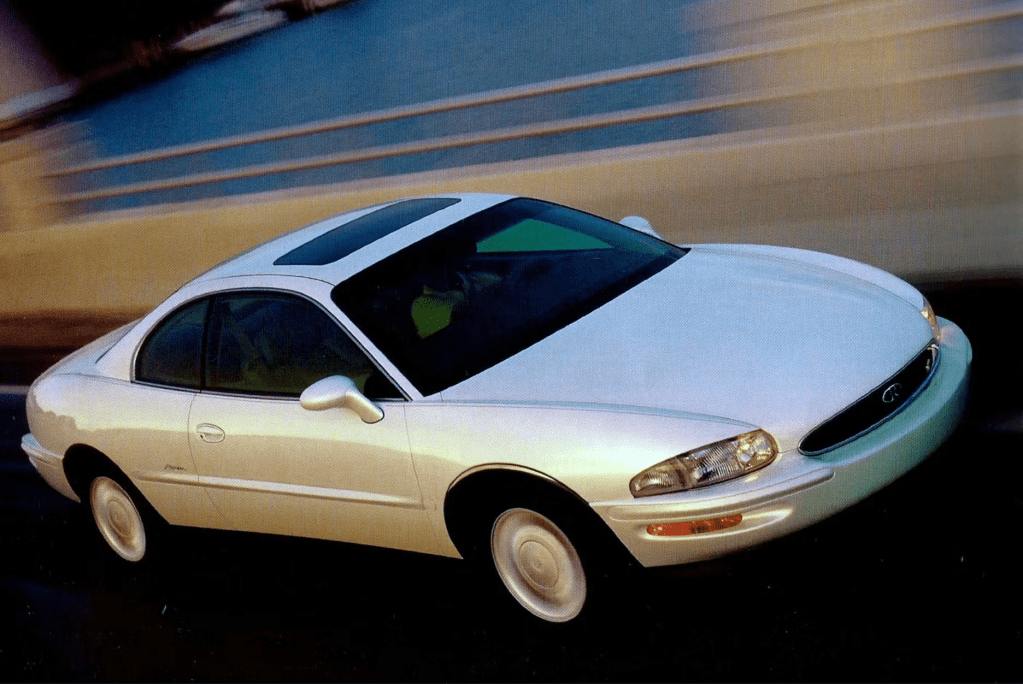
The Toronado bowed out in 1992 but the Rivieria and Eldorado endured to see the end of the Thunderbird and Cougar. Designers had sought to capture the spirit of the 1972 “Boat Tail” Rivieria into its final years. Delivering an odd yet striking design that perhaps made the car appear even larger than it was.
That is the design that caught my eye. In the crisp, cool Pennsylvania summer. Surrounded by lightnin’ bugs, tummy grumbling with the sweet, premium ice cream served from the side of a barn. How had I not known this existed!? We were, after all, a GM family. But Pontiac was our bag. Buick, that was just for old people. A figuratively shrinking brand for literal shrinking people. But, the Riviera was an oddity. Few sold, fewer ordered. That’s why it stood out. Large and powerful, sharing underpinnings with the likes of the Buick LeSabre and Park Avenue, and Pontiac Bonneville. Rocking the bulletproof GM 3800 supercharged pushrod V6 of biblical legend.
But it was too late.
This was the last year. 1999. One short of a new century. It was, however, not the last of the American Grand Tourers. One still remained. The Cadillac Eldorado lived on until 2002. A striking, angular car that looked fast even when it was standing still. Muscling a mafia-esque meance while remaining understated in tone. More popular and well known than the late Toronados and Rivieras, it was best positioned to succeed. It was, after all, a Cadillac.
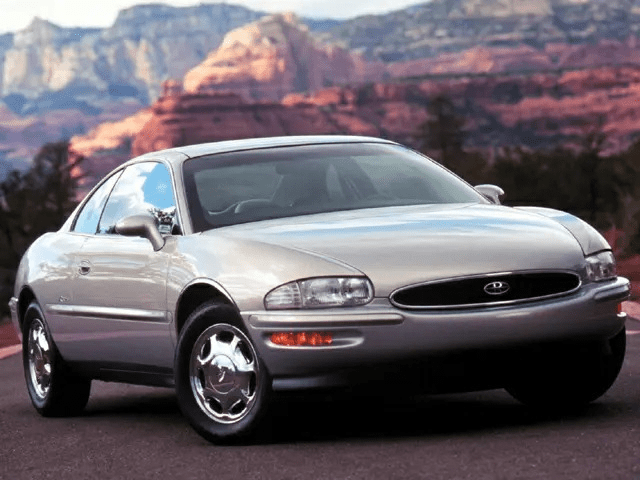
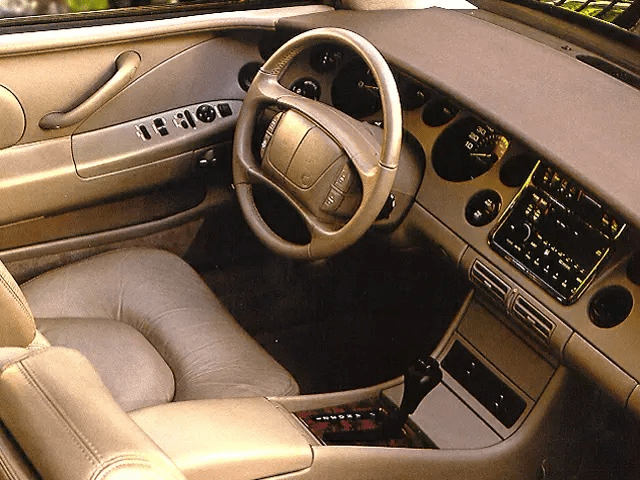
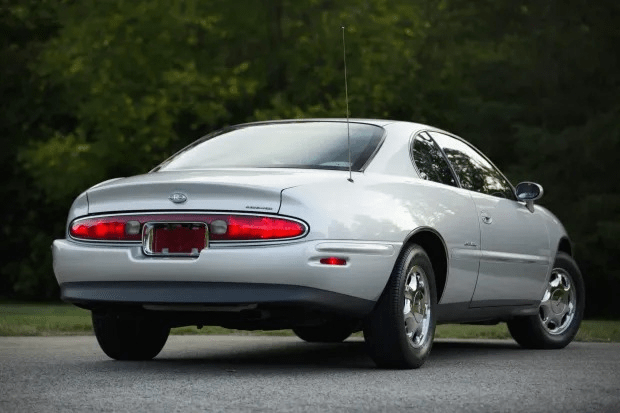
But it lacked the absurdity of the Riviera. Stuck between times, between worlds. Produced by a brand who’d visibly given up on design by the turn of the century.
But there it was. And that is what a Grand Tourer is. A car with no logical reason to exist. A car whose proportions border on the absurd: with two few doors and too much length. Limited in its presence but existing none-the-less.