Not Quite a Porsche Edition
It’s no secret that Porsche and Volkswagen have a “history.” One literally wouldn’t exist without the other. Some even contend the turn of phrase “What came first, the chicken or the egg?” actually started as “the Volkswagen or the Porsche.”
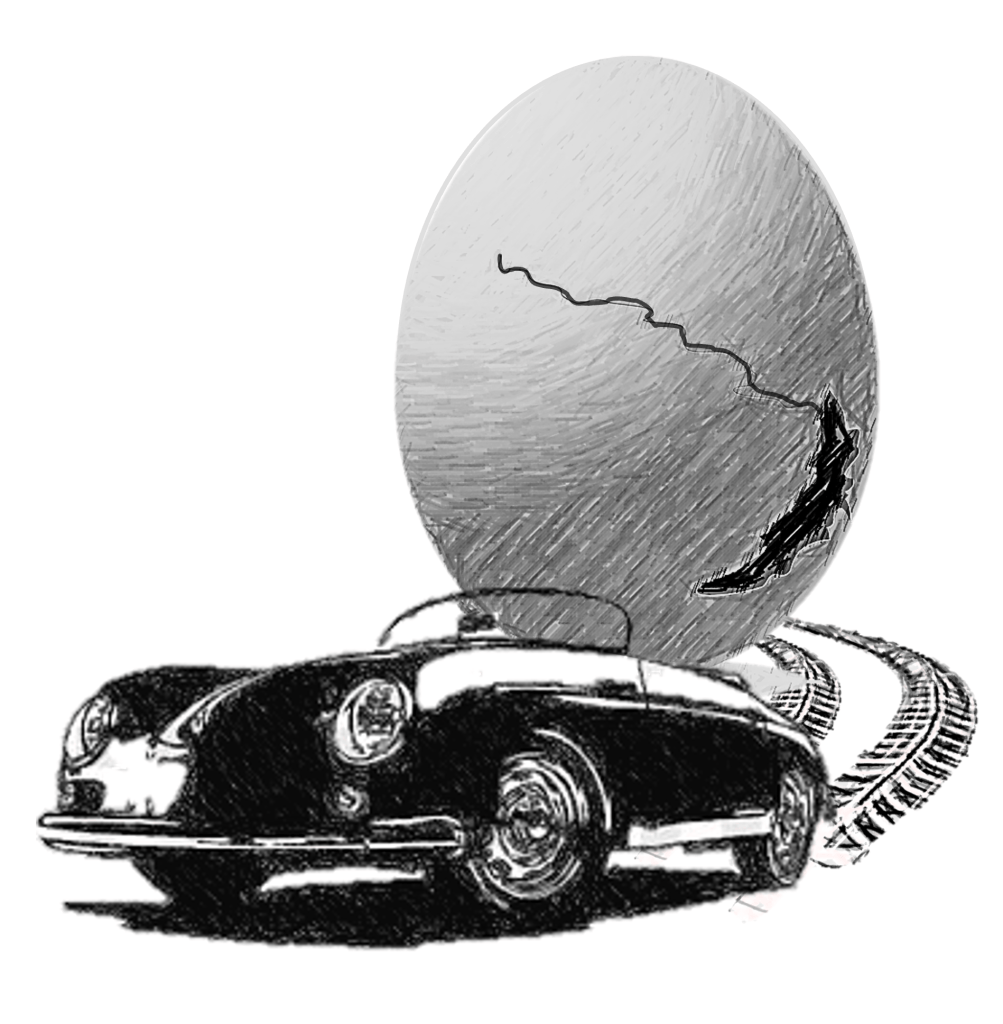
Ehhh, ok. Not really; no one has ever said that. But it could be argued, especially since Porsche had been building vehicles for one firm or another since 1898. Never soley under the Porsche name though. It wasn’t till after World War II that Porsche was able to build just a Porsche. Also known as the 356.
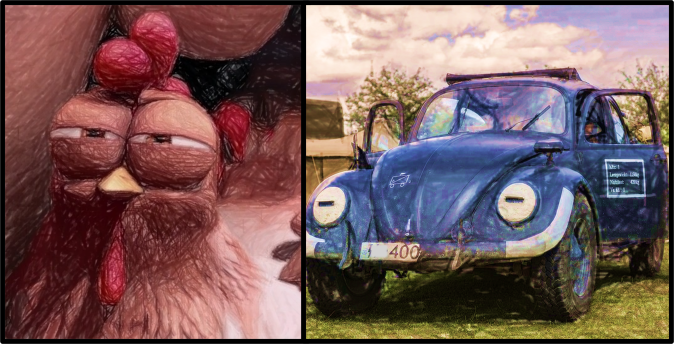
Even then the 356 shared many components with his war time project, a car that will come to be known as the Volkswagen Beetle. But purists insist this was the first true Porsche. This wasn’t just a Beetle on Ozempic though; small, aerodynamic, and rear engined, the 356 became the formula for which all future Porsches would be judged.
Source: Porsche.com
The Porsche 914 – Money for Nothing
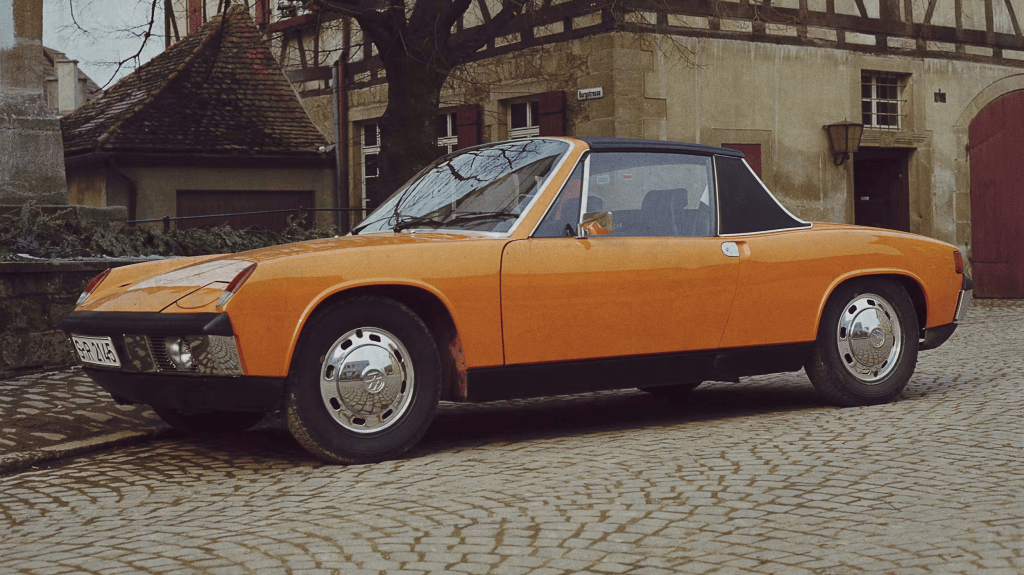
When Porsche replaced the aging 356 in 1964 with the more modern 911 it was a sales success. It was also more expensive. Meanwhile, Volkswagen was looking to replace their sporty(looking) Karmann Ghia. Both companies came to an understanding: build a cheap(er) sports coupe that followed both brands current formula. Rear(ish) engine and rear wheel.
The VW-Porsche 914/914-6 was a complicated beast. And not just in name. The 914’s development, like most Volkswagens at the time, was handled by Porsche. This was a result of an agreement between the two companies dating back to Porsche’s founding. But leadership changeover at VW resulted in the first chairman with no loyalties to Porsche. The result? Disagreements between rights and distribution drove the price of the vehicle to within earshot of the lowest tier 911 and well above that of the finest Karmann Ghia.
Ironically, the 914 shared many components with the VW Beetle. This fact, and one that will be a trend throughout this article, impacted the performance perception of the 914. The original black sheep in Porsche’s stable, it sales never took off as intended which led directly to our second car in this months HKC.
Source: CollectingCars.com
The Porsche 924 – Your Chicks for Free
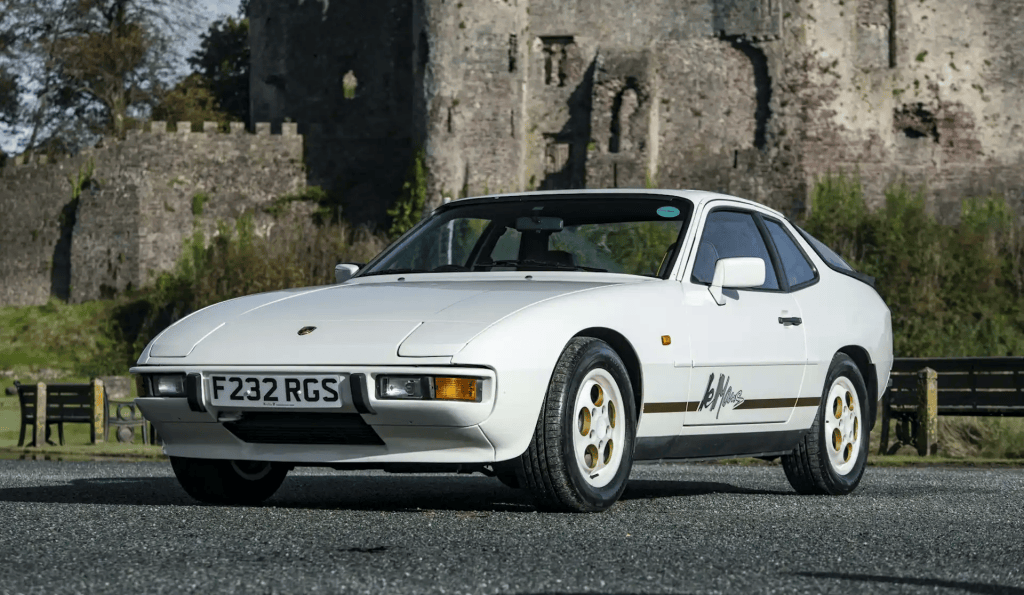
A decade after the 914 debacle both parties, Porsche and Volkswagen, were back in the same hard place. But this time there was a rock on the other side. That rock being the 1973 oil crisis. Both companies needed a cheap(ish) sporty car to replace their outgoing one… the 914. Under the same 1940s agreement, Volkswagen contracted Porsche to develop what was known internally as Project 425. And just like before a change in leadership at VW threw the proverbial wrench in the works. With the project near completion VW scrapped the project and opted to reskin a Golf as the Scirocco.
With a near complete car and the need to replace the 914, Porsche negotiated with VW. Purchasing the car they had been paid to develop. I’ve previously written about my affinity for the 924, a near masterclass in design and engineering, even with the limitations that were baked into the engineering agreement.
While it wasn’t particularly quick, the 924 had near perfect weight distribution at 48/52. That extra 2%? It was engineered to add just a pinch more traction to the rear wheels. But it couldn’t outrun the reputation that it shared an engine with a VW van. Yet, unlike the 914, the 924 was a sales success despite its van-ish heritage. Comfortable, relatively economic, and cheap… it was the entry level sports coupe of the 1980s.
***To be clear. Yes, it shared the engine – initially – with the VW van. But that engine was available first in an Audi sedan and the 924 version had special Porsche modifications. It also provided a much needed cash infusion to a struggling Porsche at the time.***
Source: Stuttcars.com
Porsche Cayenne – Dire Straits
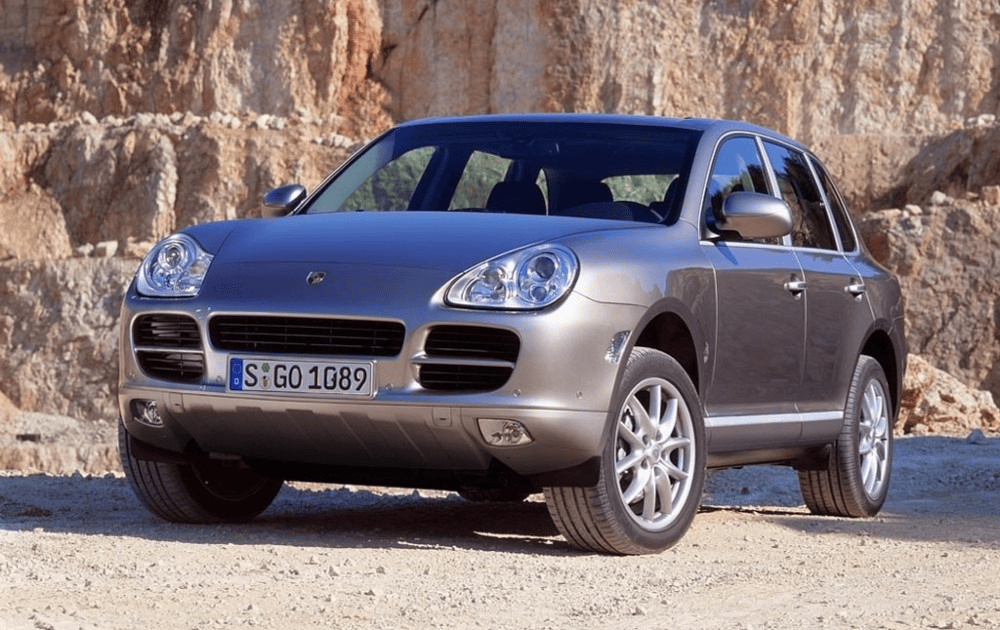
If you haven’t picked up on the Dire Straits/Money for Nothing theme here… well… sorry. But the Porsche Cayenne, a car as equally polarizing as both the 914 and 924, is the last on the list. A performance oriented SUV, co-developed with Volkswagen, that debuted alongside the Touareg in 2002 for the 2003 model year.
The thought of a cheap Porsche built with Beetle parts or a front engine model sporting the powerplant of a van had already been offensive enough. This time Porsche was asking for it, at least from their die hards. But true to form, the vehicle was exceptionally engineered and received positive reviews. As the 924 before it, the Cayenne was a relative success.
Like Han Solo during Luke’s Death Star run, this burly “body on frame” SUV swooped in to save the day. Along with the Boxster that was introduced 4 years earlier, these two lower priced/higher production models once again gave Porsche a much-needed financial reprieve. And an unburned Porsche is a Porsche that builds excellent true Porsche Porsches. Follow?
So what do you think. Out of these three not Porsche Porsches which would you Hoon, kill, and collect?
 AUTODODO